Quiet Corners of Moorgate: Finding Calm in the City's Busiest Quarter
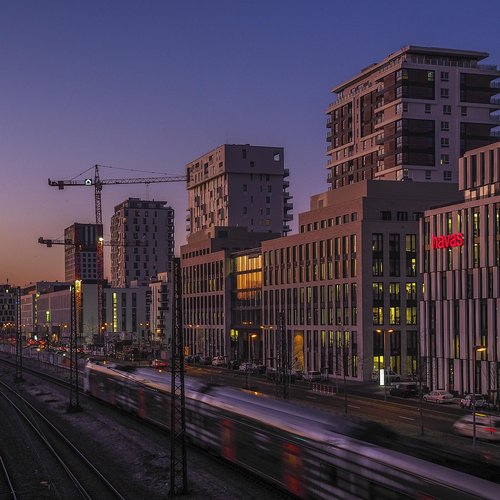
The bombs of the 1940s cleared swathes of Moorgate, and what replaced them set the template for the vertical City we know today.

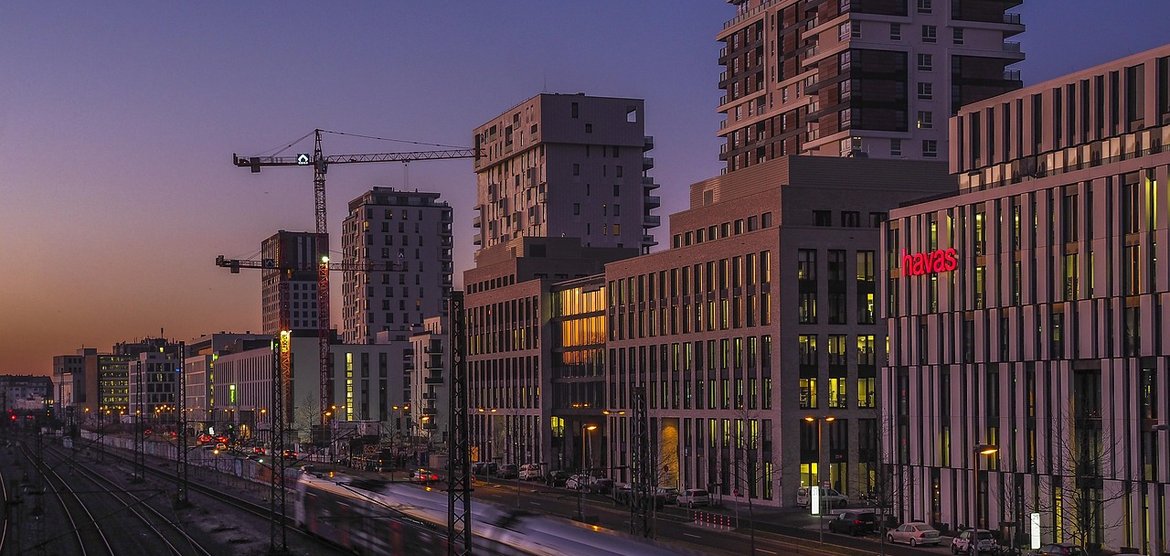
Before the office blocks, a web of small lanes around Moorgate fed the City with bread, ale and oysters — and left barely a trace behind.
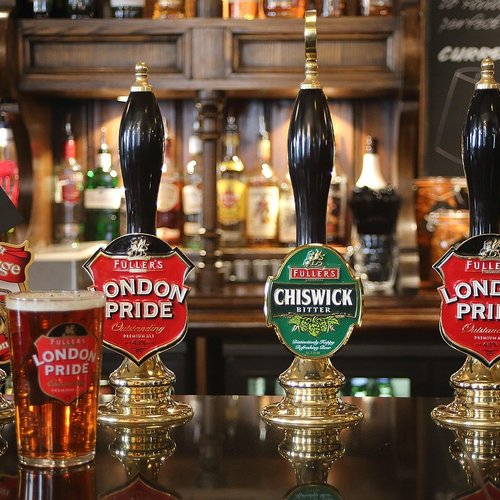
The bombs of the 1940s cleared swathes of Moorgate, and what replaced them set the template for the vertical City we know today.
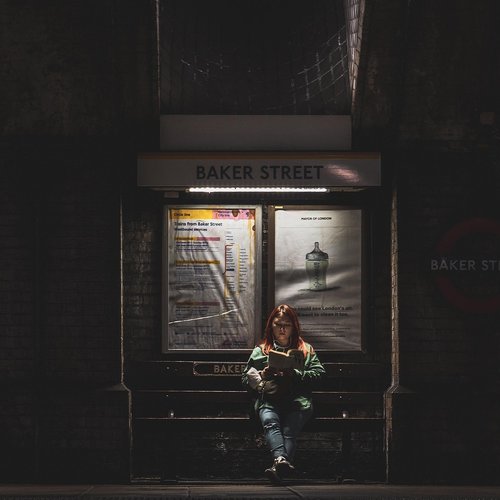
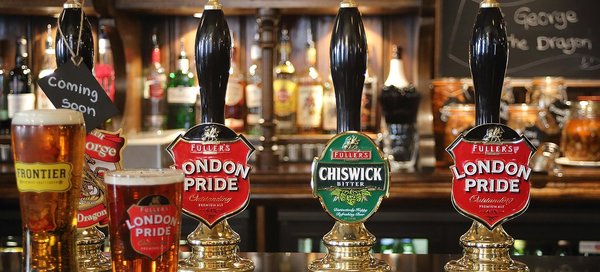
A handful of Moorgate pubs have survived redevelopment, changing tastes and the rise of the after-work crowd — and they carry the area's social history in their walls.
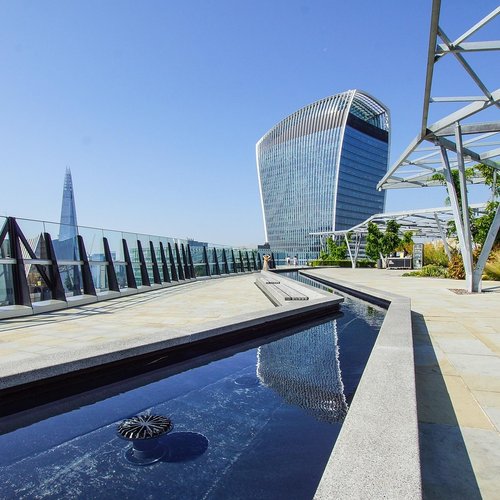
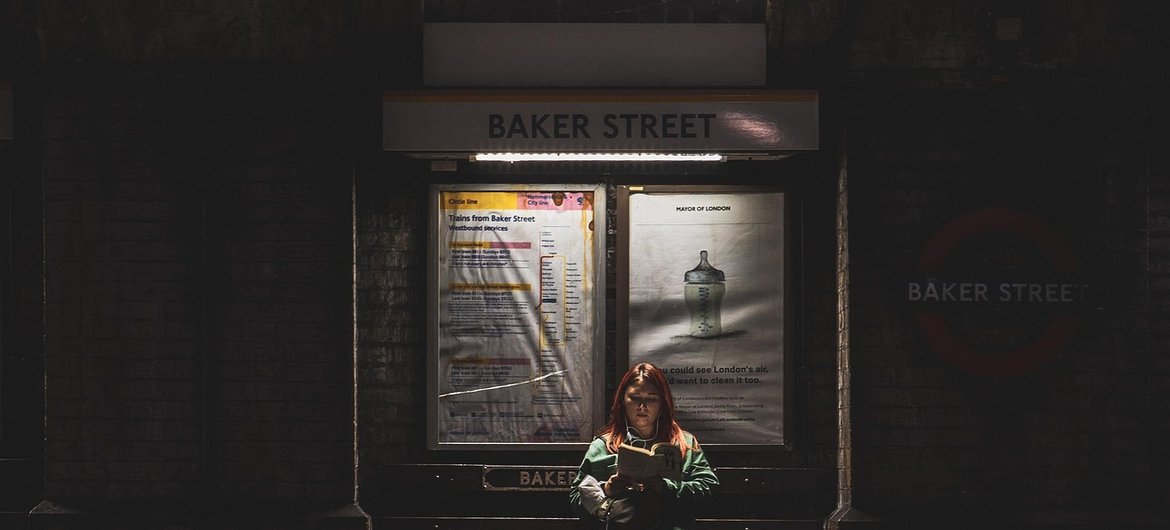
From a medieval postern in the City wall to a busy interchange, Moorgate station's story mirrors the growth of London itself.
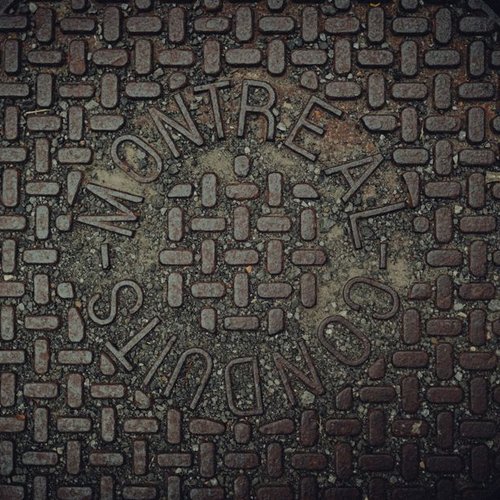
Between the office towers and the transport hubs, Moorgate hides small pockets of quiet — churchyards, gardens and passages where the City slows down.

Long before Moorgate was a station and a street, it was a gate in the wall beside a marsh — and the water that shaped it still runs, culverted, beneath your feet.

Last Comments
The Barbican and Moorgate: A Brutalist Relationship
A Moorgate Morning: Notes on the Commute Before the Rush
Finsbury Circus: The Green Room of the City